Day 3 · 21 October 2026
Asia-Pacific's new biodiversity support centres offer practical help for 30x30 reporting, but their reach depends on funding and staff
Highlights
What happened: At a COP17 side event on 21 October, representatives of the CBD's Technical and Scientific Cooperation Support Centres described how they help Parties implement the biodiversity framework, with the IUCN Asia centre announcing a first in-person meeting in Bangkok on 3–4 December.
Why it matters: Speakers said the network's ability to meet demand depends on predictable funding, dedicated staff, support in relevant languages and coordination among existing partners.
Around 64 requests for technical and scientific cooperation appeared in draft COP17 texts, a Global Coordination Entity speaker said, as an indication of the work the support centres can expect. The centres, a network set up under the Convention on Biological Diversity (CBD), are meant to turn those requests into practical help.
The main point of the session is that support exists but is stretched. A Party preparing its national biodiversity strategy, monitoring system or national report now has somewhere to ask, yet the centres themselves report limited staff and funding.
The session
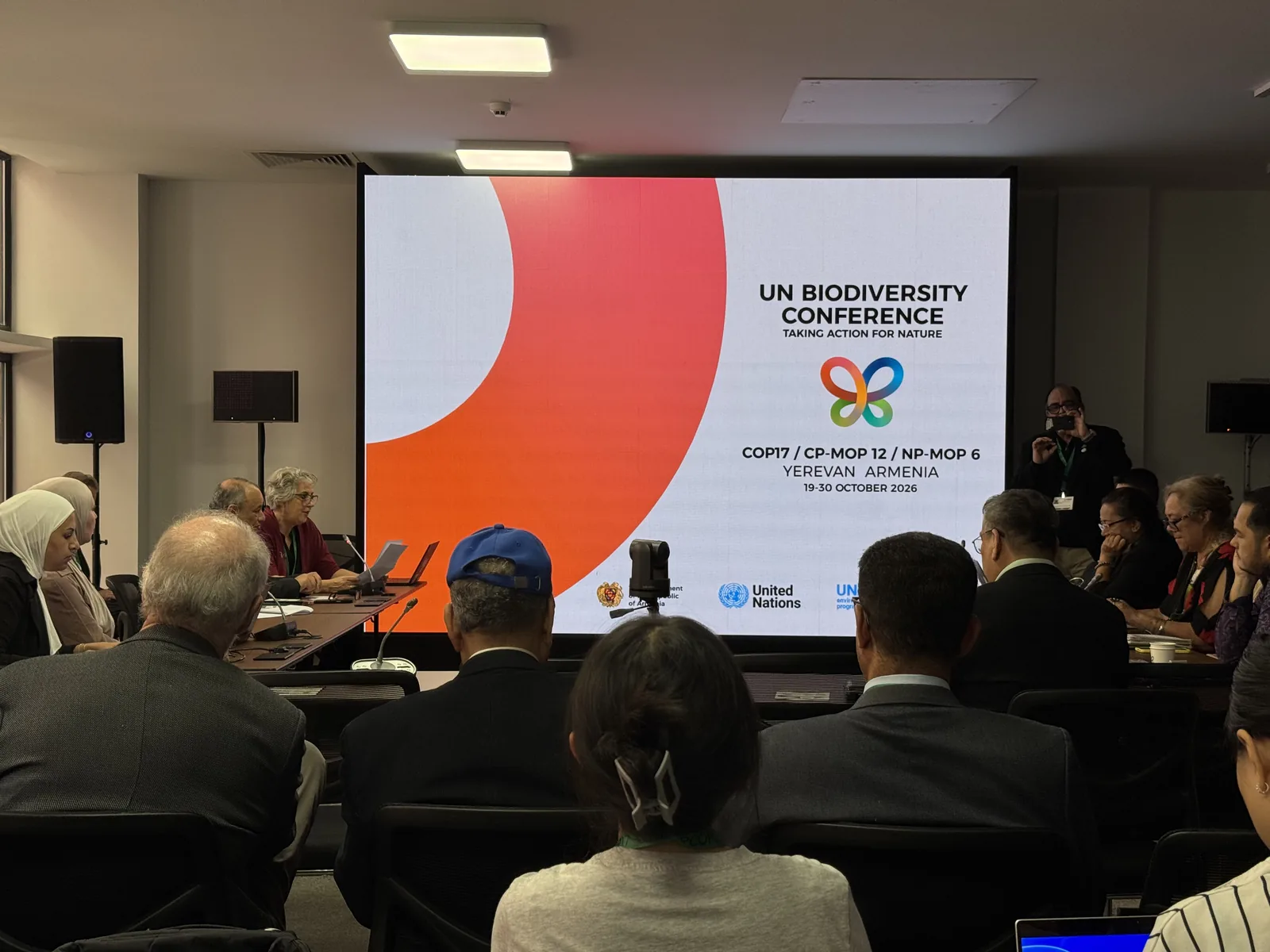
"Strengthening Capacity for the Kunming–Montreal Global Biodiversity Framework (KMGBF) in Asia-Pacific: The Role of CBD Subregional Technical and Scientific Cooperation Centres (TSCCs)" was COP17 side event #7667. It began at 13:15 on 21 October 2026.
The programme was listed by IUCN. Speakers came from the centre for West Asia, the Global Coordination Entity, the IUCN Asia Regional Office and China's Nanjing Institute of Environmental Sciences (NIES).
How the network is set up
COP15 Decision 15/8 established the technical and scientific cooperation mechanism. COP16 Decision 16/3 welcomed the selection of 18 organisations to host support centres and made the CBD Secretariat the host of the Global Coordination Entity, whose initial term runs to the end of 2030. The Entity coordinates the network, supports joint work and resource mobilisation, and reports to the COP through the Subsidiary Body on Implementation.
The centres respond to needs that Parties identify, connecting them with experts, tools and partners. The briefing highlighted a global workshop on 13–15 January 2026, monthly coordination meetings and helpdesk support, and links to ecosystem restoration (Target 2), protected and conserved areas (Target 3), national biodiversity strategies and action plans (NBSAPs) and national reporting.
After the side event, COP17 approved the Entity's 2027–2028 workplan, according to the session notes. It includes guidance on integrating gender-responsive approaches, calls for stronger coordination and resource mobilisation, and encourages full participation by Indigenous Peoples and local communities, women and youth.
What the IUCN Asia centre offers
Mohammad Khalid Sayeed Pasha of the IUCN Asia Regional Office presented the centre it hosts. It serves Bangladesh, Bhutan, Japan, Maldives, the Republic of Korea and Sri Lanka, and has three roles: technical support to those Parties, convening regional partners for capacity-building, and developing tools for area-based conservation, biodiversity assessment and monitoring.
Pasha said the centre would focus on delivering KMGBF targets, strengthening NBSAPs and improving monitoring and reporting. It has launched a survey of Parties' needs, led by his colleague Olivier Chassot, and plans to share the findings with the CBD Secretariat. He announced a first in-person meeting of Parties and partners in Bangkok on 3–4 December 2026. He named the practical challenges as limited staffing and funding, differences in national needs, language barriers and duplication across organisations, and called for centres to share expertise and translate more resources.
On Target 3, IUCN Asia hosts the secretariat of the Asia Protected Areas Partnership (APAP), which has 21 government members from 17 countries and three associate members. APAP released its updated 2026–2030 roadmap on other effective area-based conservation measures (OECMs) on 19 October.